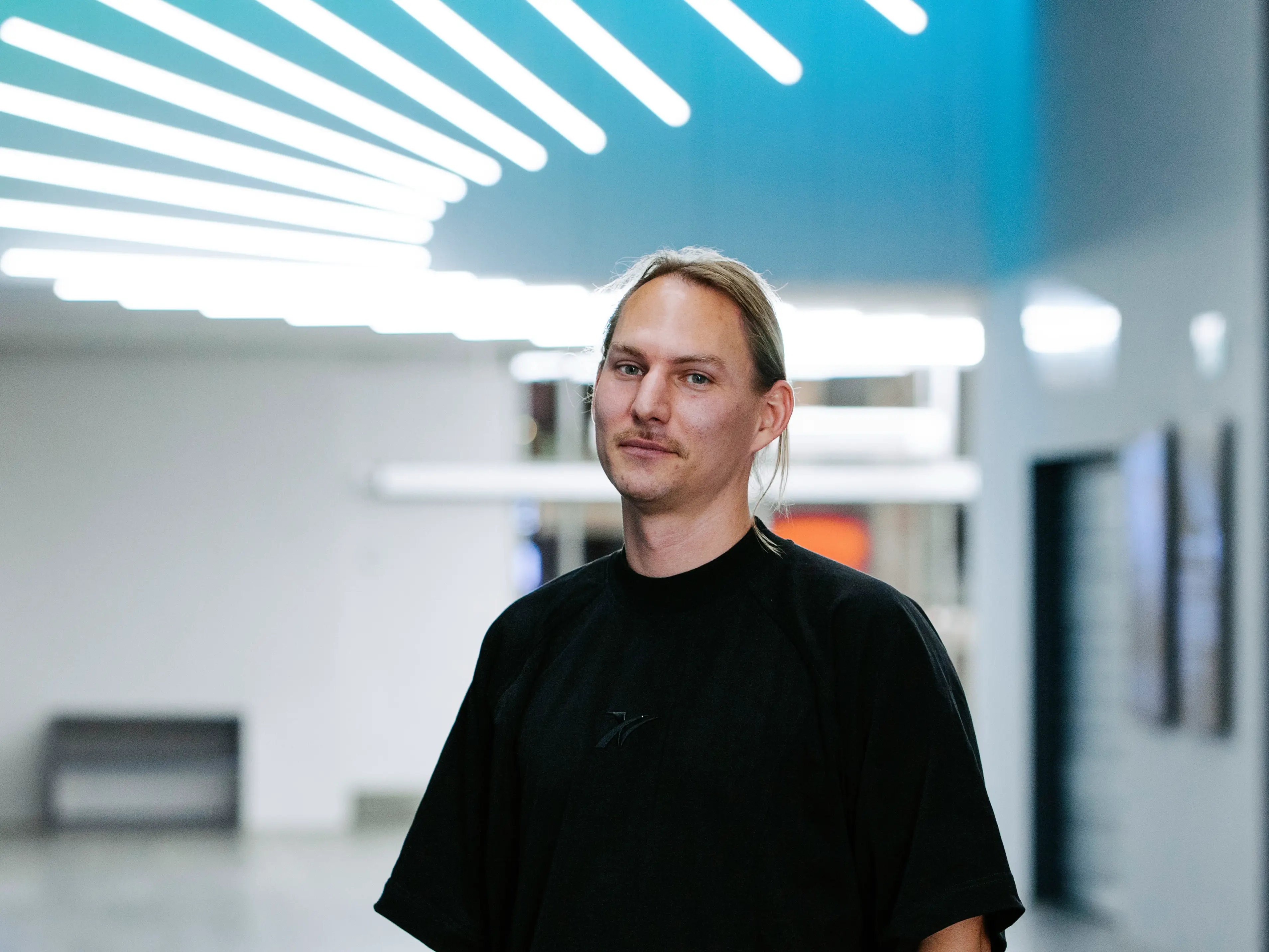
Lukáš Dřevjaný: People Don’t Know How to Slow Down. Interactive Art Reveals Who They Are
What does the way people engage with an interactive artwork reveal about them?
They usually react differently than I expect. As soon as an installation becomes interactive, their personality comes into play, along with their willingness to experiment and their ability to get past feeling self-conscious. Often, all I’m asking the viewer to do is make a simple gesture, like moving a hand. That movement can be fast, slow, gentle, or forceful—and that’s where something reveals itself.
What surprises you most about people’s reactions?
I’m surprised by how many people don’t know how to slow down and try something other than brute force. Maybe my expectations are too high because of my gaming background. When I start playing a video game, I try every button to figure out what the environment lets me do. Some visitors, on the other hand, try to find a glitch they can use to “break” the piece. I don’t mind, as long as they don’t set the installation on fire. (Laughs.)
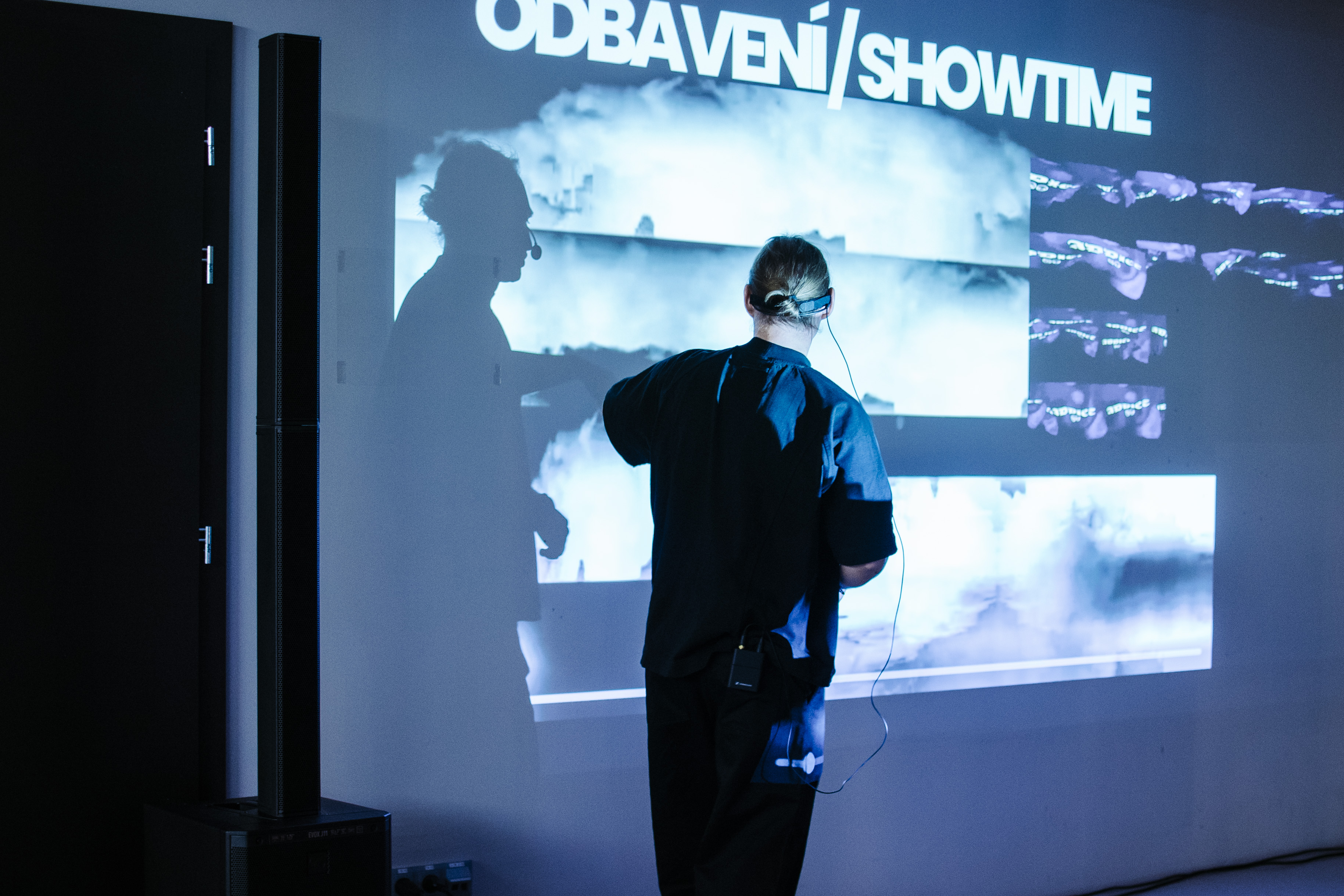
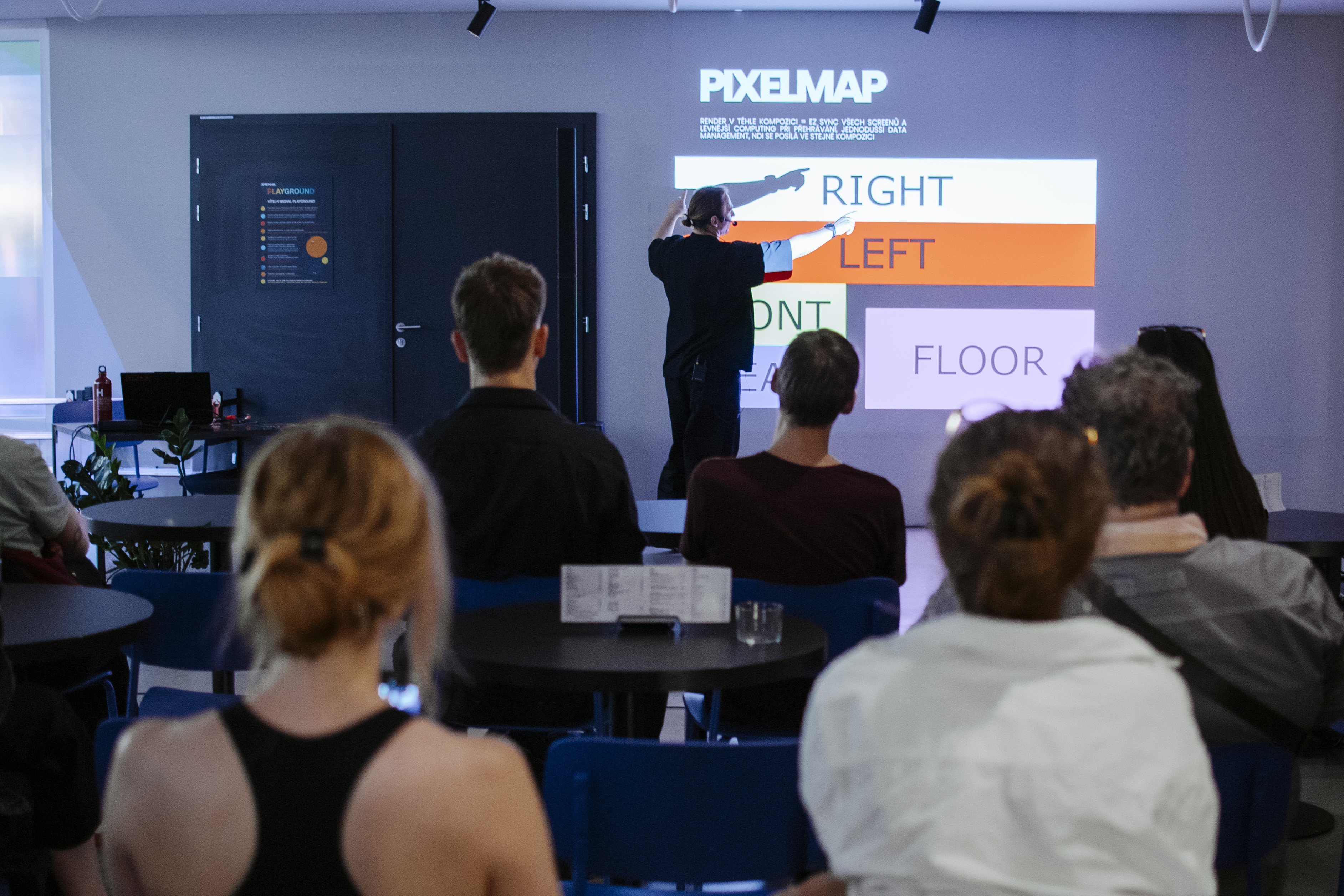
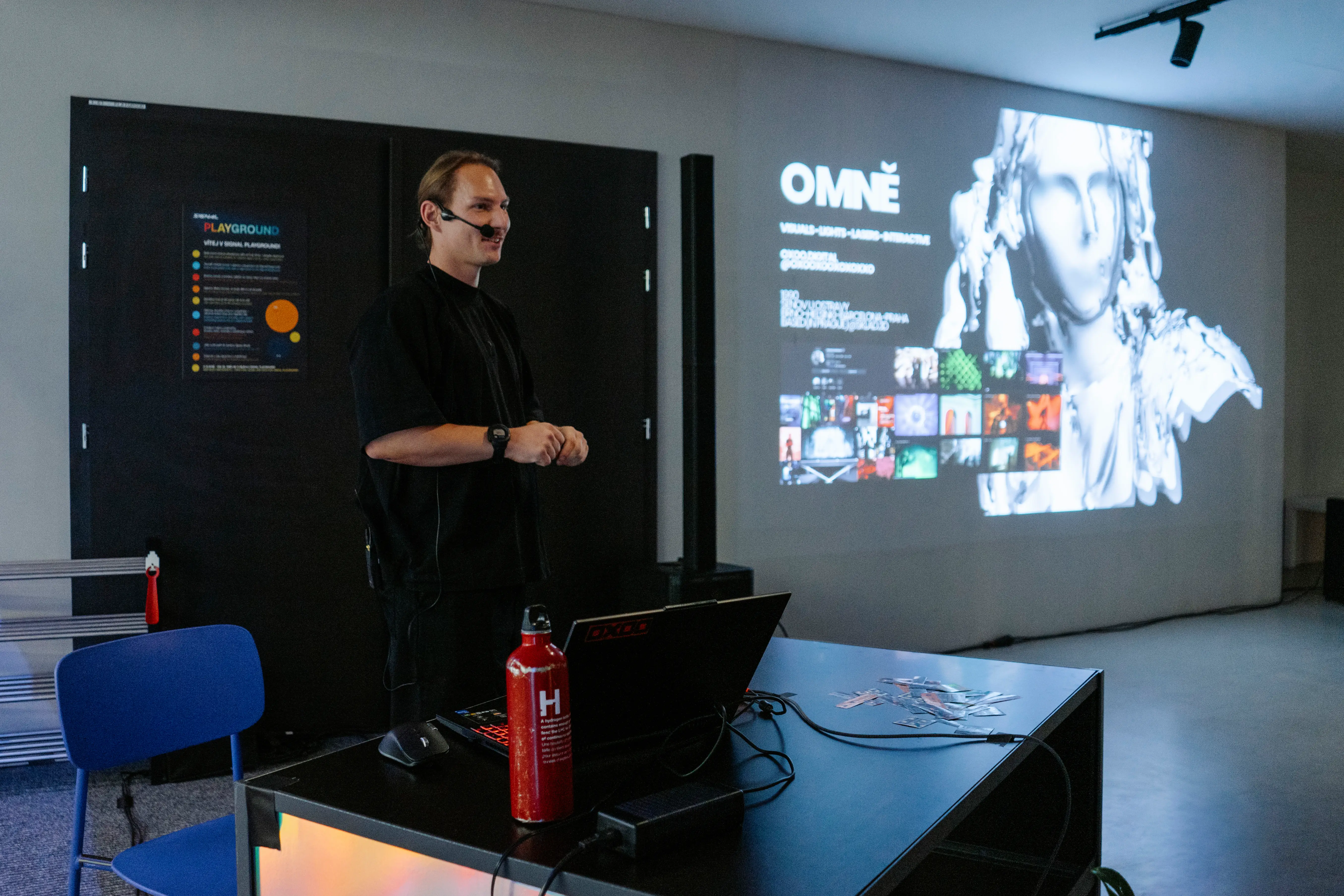
NobodyListen: The Silence That Made the Room Tremble
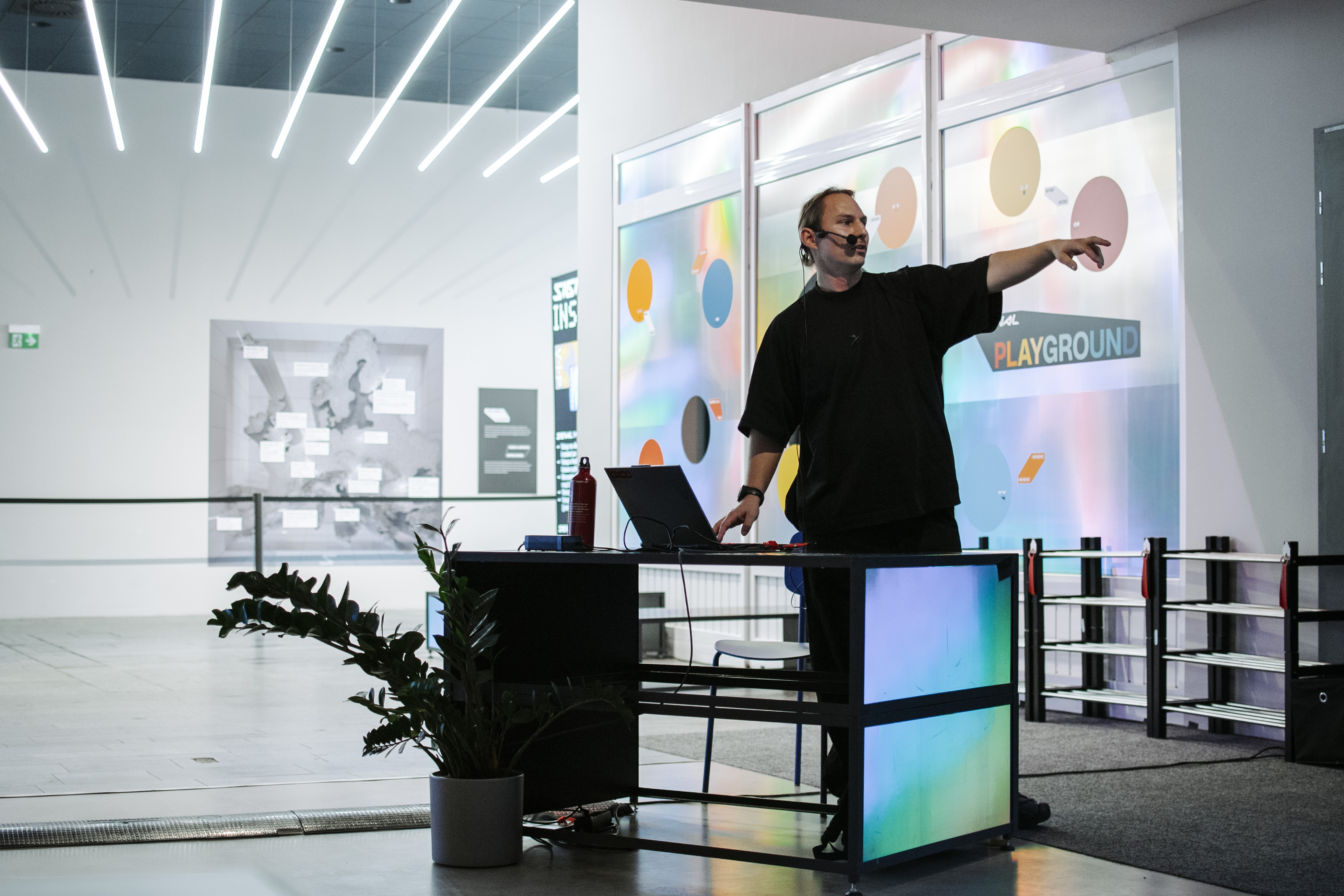
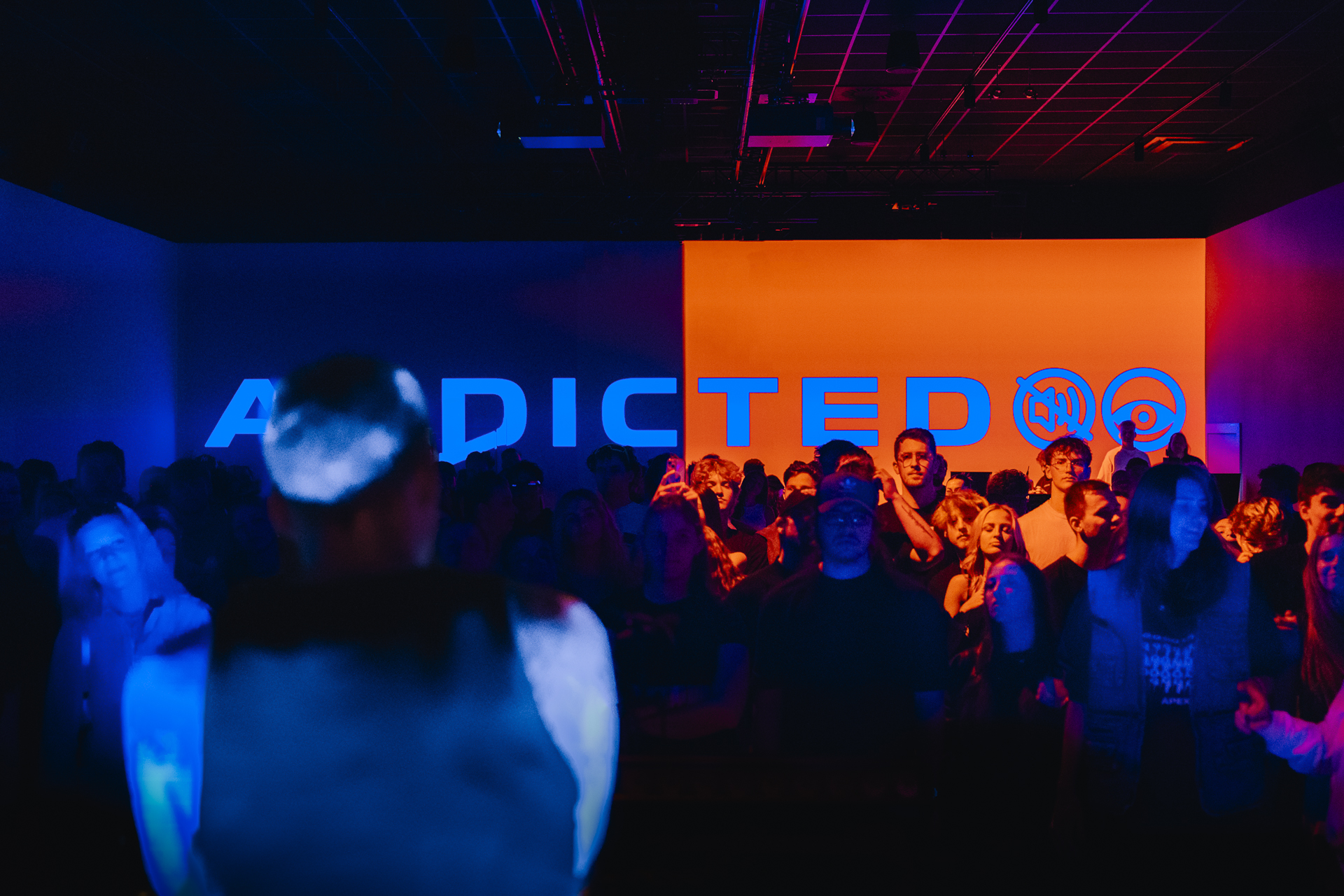
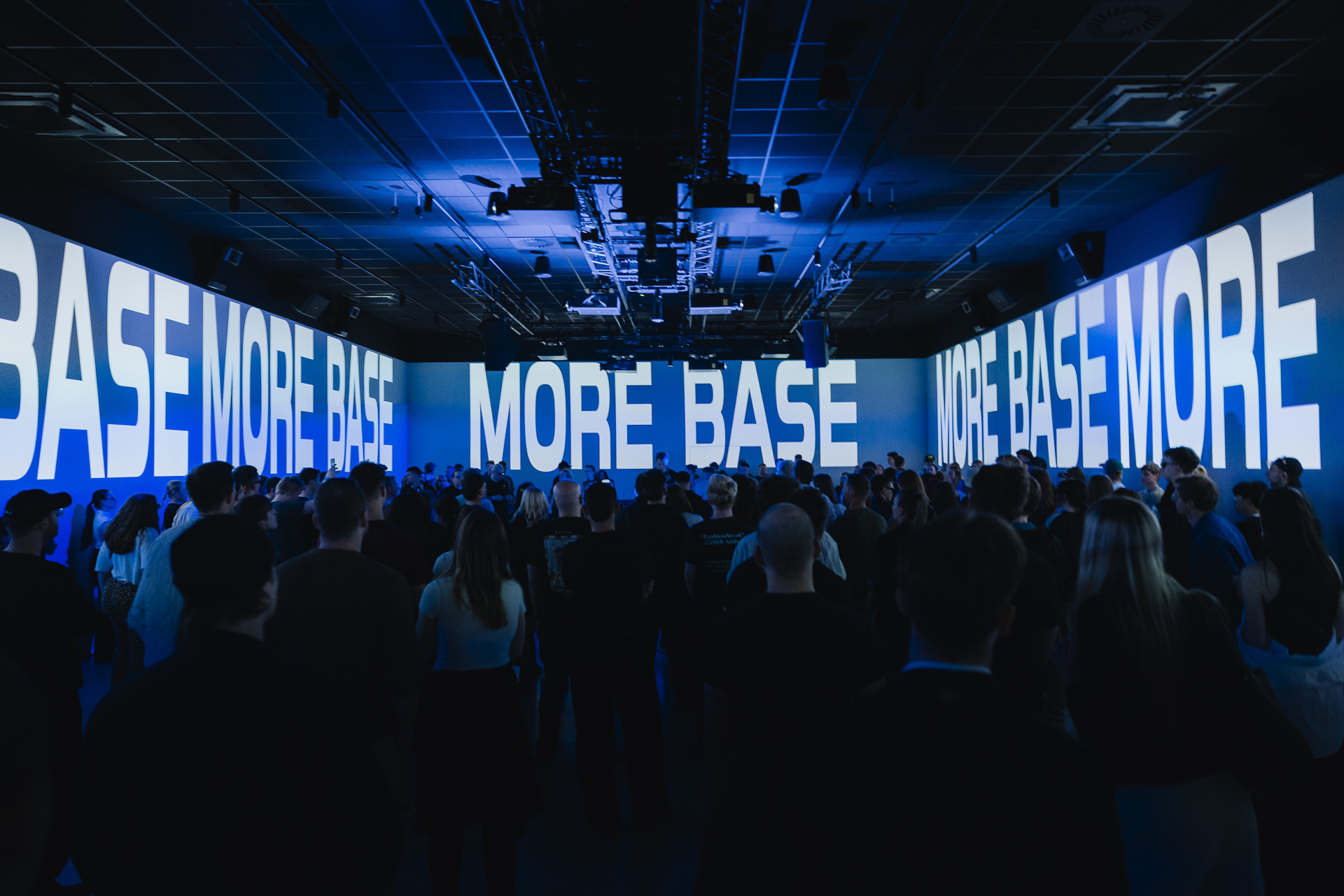
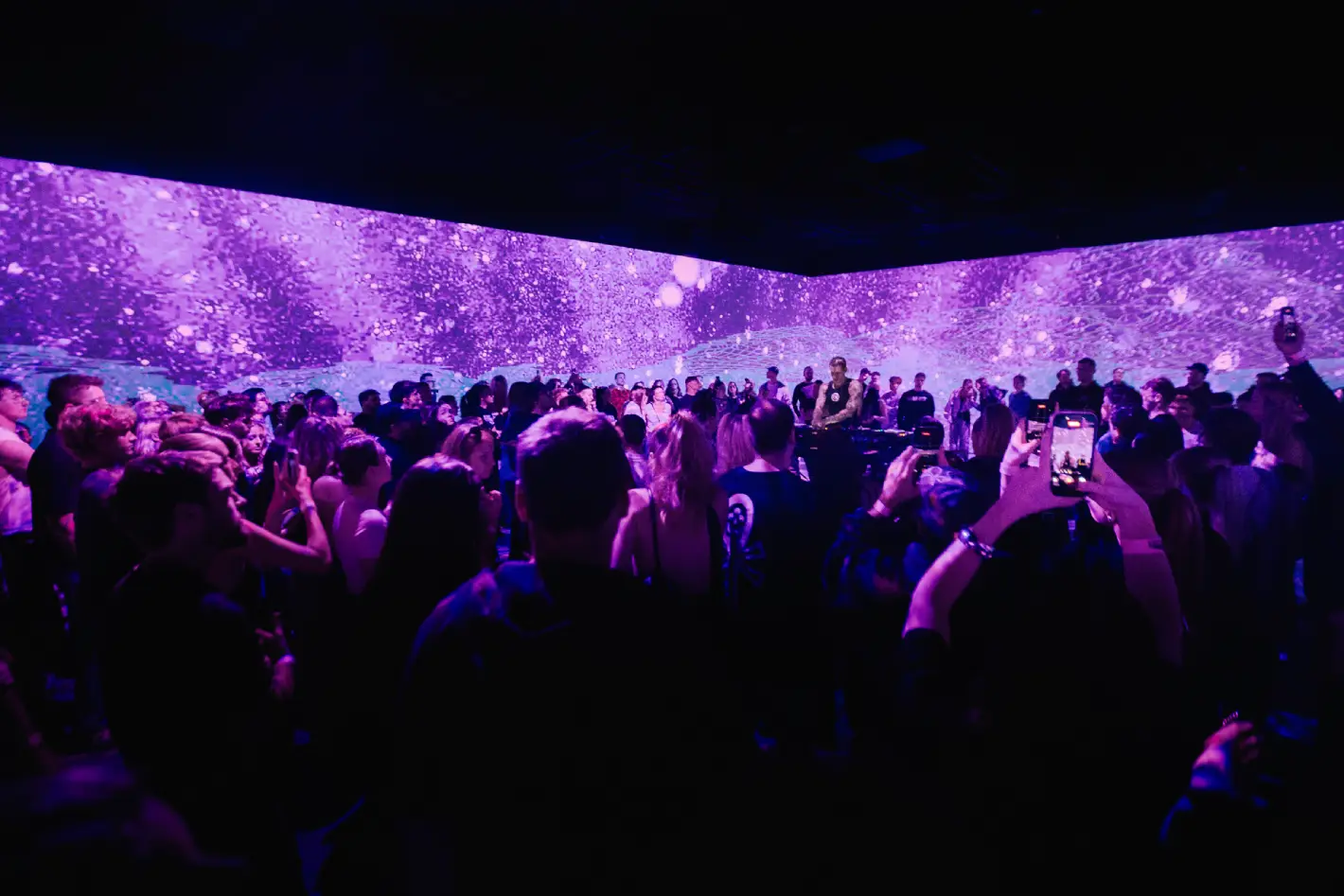
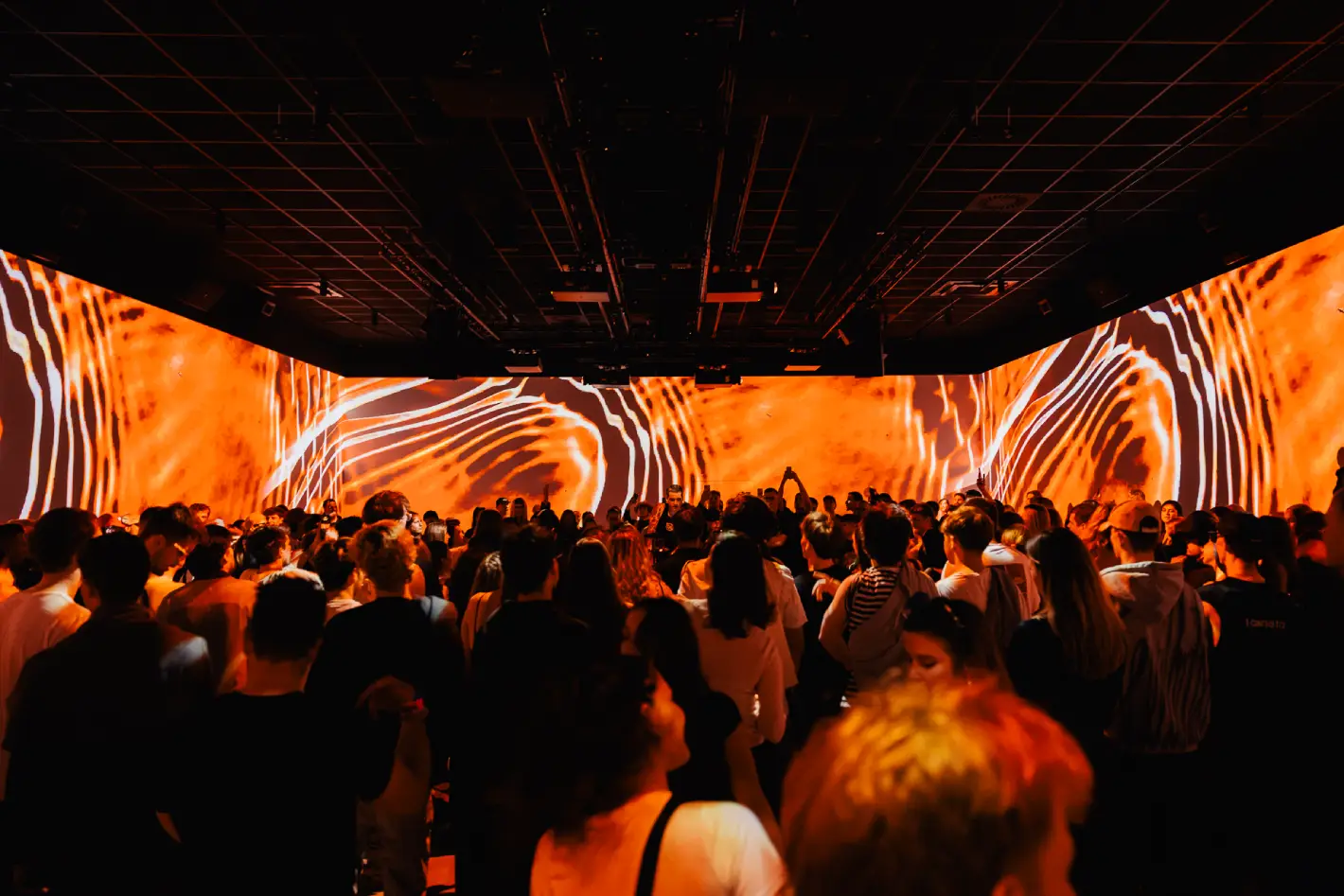
You created a 360° projection for NobodyListen at Signal Space this year. Was there a moment during the set when you thought: this is exactly why it’s worth surrounding an audience with visuals?
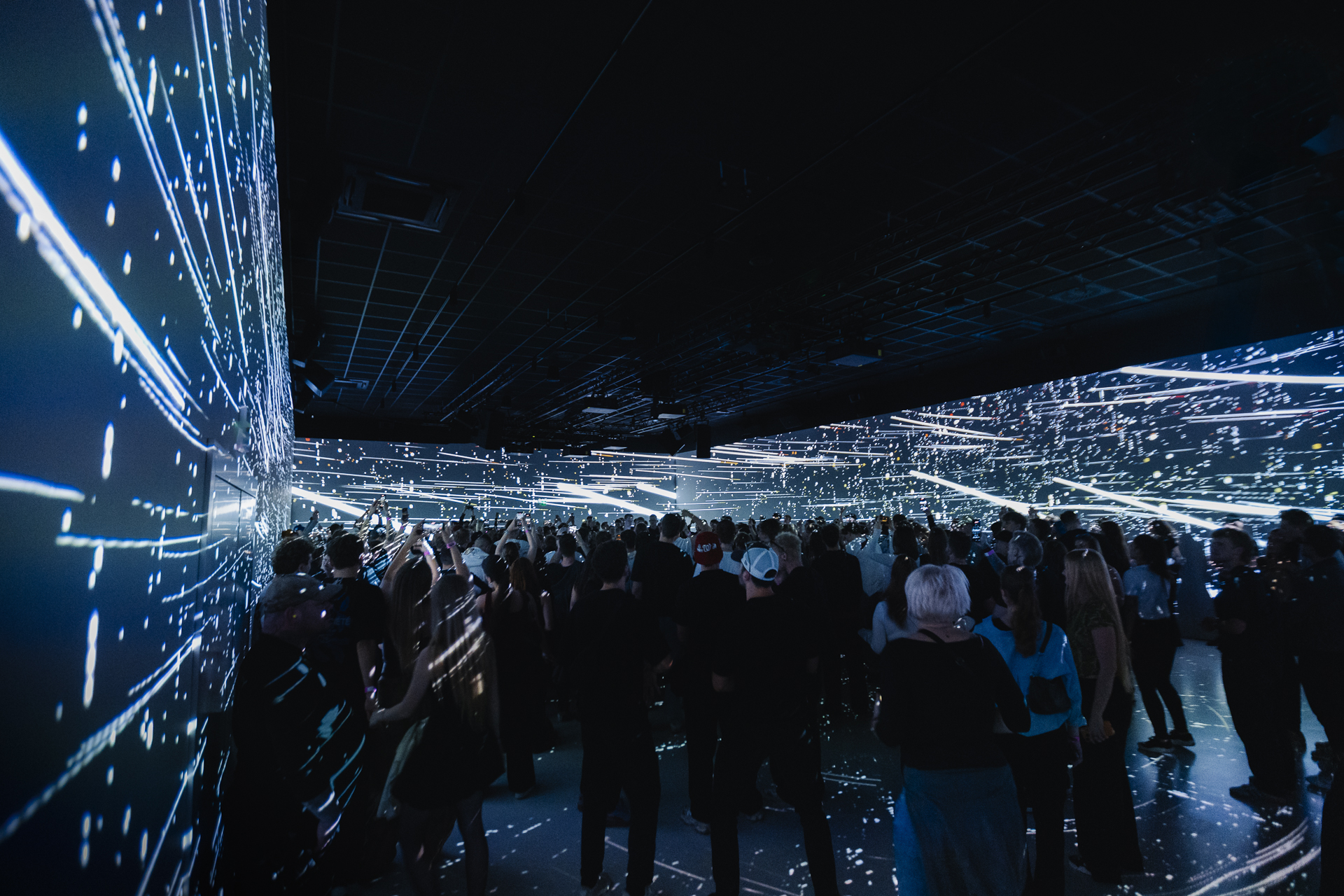
Ironically, it was our simplest, most minimal concept. There was a strong sonic accent in the track, which we translated into a single line running all the way around the space. With each pulse, that line made the room seem to shake. Then came complete silence, and the line stayed suspended, perfectly still, around the entire room.
People could feel it working. Then another sonic pulse came in, and the room started shaking again. I loved that moment of silence.
What do you need to do with the visuals to make people feel like they’re literally inside the music?
For a show like that, it’s important to map out the timeline and find a way to surprise people with every track. We moved from 3D illusions to more cinematic imagery, worked with typography, and alternated between carefully prepared, timecoded sequences and live VJing.
What felt most freeing about that collaboration?
Kuba and I knew each other from previous projects, and I knew we weren’t going to put unnecessary limits on each other. That puts you in a completely different headspace. During the preparations, the ideas just kept coming. If I’d had another two weeks to work on it, I would have come up with a million more things.
How much work went into a show that existed for just one night?
The preparation took about two to three weeks, and the last two were incredibly intense. I was at my computer twelve to sixteen hours a day. If a render that was supposed to finish overnight failed, I’d be stuck there for what felt like forever.
I knew what I was getting into because I’d worked with immersive media before. Still, I’m disappointed that the result only existed for two sets on a single night. I think it deserves another run.
When Creativity Is Only a Tenth of the Project
The NobodyListen show was gone after one night. Synergie, which you created with Daniel Pošta, is meant to stay in the gallery long-term. How does that change the way you think about a piece?
With the audiovisual show, we could put pretty much anything into the space. With a fixed installation, you have to factor in technical drawings, construction, safety, and day-to-day operation. In the end, the actual creative work on Synergie accounted for maybe a tenth of the whole project.
If it were entirely up to me, the lighting sequence would be more dynamic and more extreme. I’d do more with darkness, strong pulses, and moments of strobing. But the installation has to operate every day. Visitors can’t be tripping over things when it goes dark, and the lights can’t put their health at risk. It’s a completely different kind of challenge.
How did the historic Old Town Market Hall itself shape Synergie?
At first, I was thinking about the space in separate parts. Dan had the idea of connecting the two entrances with a single element and keeping the whole concept simple. It was a strong idea that defined the installation’s final form. The historic building also threw obstacles in our way—there were safety sensors and all kinds of logistical constraints. But the core concept was so clearly defined that we spent a long time just figuring out how to make it a reality.
.jpg)
When Art Becomes Pure Spectacle
For a while, the word “immersive” was used to describe almost everything. Where do you draw the line between art and an attraction?
I feel like the worst of that overuse has eased off a little. At the same time, I see a lot of light festivals moving toward pure entertainment. In public spaces, that makes sense—festivals want to grow, and they need to draw crowds. But some events I used to love have gone so far in that direction that the art has almost disappeared. What I appreciate about Signal is that it still keeps part of its program firmly focused on art.
Now that generative AI lets almost anyone create a striking image, what makes an artist’s work valuable?
Their distinctive voice, their own style, and their reasons for making the work in the first place.
I mainly use AI to build tools I used to lack the technical skills to make. Without it, I could spend a week buried in software documentation, only to realize that I still didn’t have the mathematical mindset to get the tool working the way I needed it to. Recently, for example, I reprogrammed my VJ controller. Without AI, I would’ve had to settle for the way it worked out of the box. Now I don’t.
Where does AI become a problem for you?
I’m not a fan of AI slop. I’m bothered by how resource-intensive AI is, and by the loss of control. Working with AI is often described as gambling: you roll the dice, something comes out, you roll again, and you keep going until you’re okay with the result.
I Want to Get Back to Work With an Edge
What’s taking up most of your creative energy right now?
I got an amazing opportunity to VJ for the Japanese DJ Yousuke Yukimatsu. Some friends recommended me, and now I travel with him doing the visuals. His sets are incredibly wild, and every one is different. He improvises as a DJ, and I get to improvise alongside him. I can really put the skills I’ve spent years building to use and completely let loose.
What do you want to hold on to in your work going forward?
Some people, especially in the commercial world, have criticized me for being too much of an artist. That’s definitely something I want to hold on to.
I’m still finding my aesthetic, but I like things that are a little extreme, that have an edge. The commercial world has smoothed some of those edges, and I’d like to get back to them. I’m interested in inner darkness, dystopia, technology, and its darker side. I’d also like to develop my own artistic practice further by working more with physical object.
AUTHOR/EDITOR: KATEŘINA CHOUROVÁ
.jpg)